
Why Weight Loss Doesn’t Equal Fitness And Why Trainers Must Lead the Change
In today’s society, the message is loud and clear: slim equals fit. From glossy magazine covers to influencer posts, the cultural narrative reinforces the idea that a smaller body is automatically a healthier one. For personal trainers, this misconception isn’t just a client issue, it’s an industry-wide challenge that demands a shift in mindset and practice.
The Pressure of Perception
Clients often arrive with goals shaped by societal expectations rather than personal health needs. They believe that dropping a dress size or hitting a certain number on the scales will make them “fit”. This belief is deeply ingrained, and if trainers aren’t careful, they can unintentionally reinforce it by focusing on weight loss as the primary measure of success.
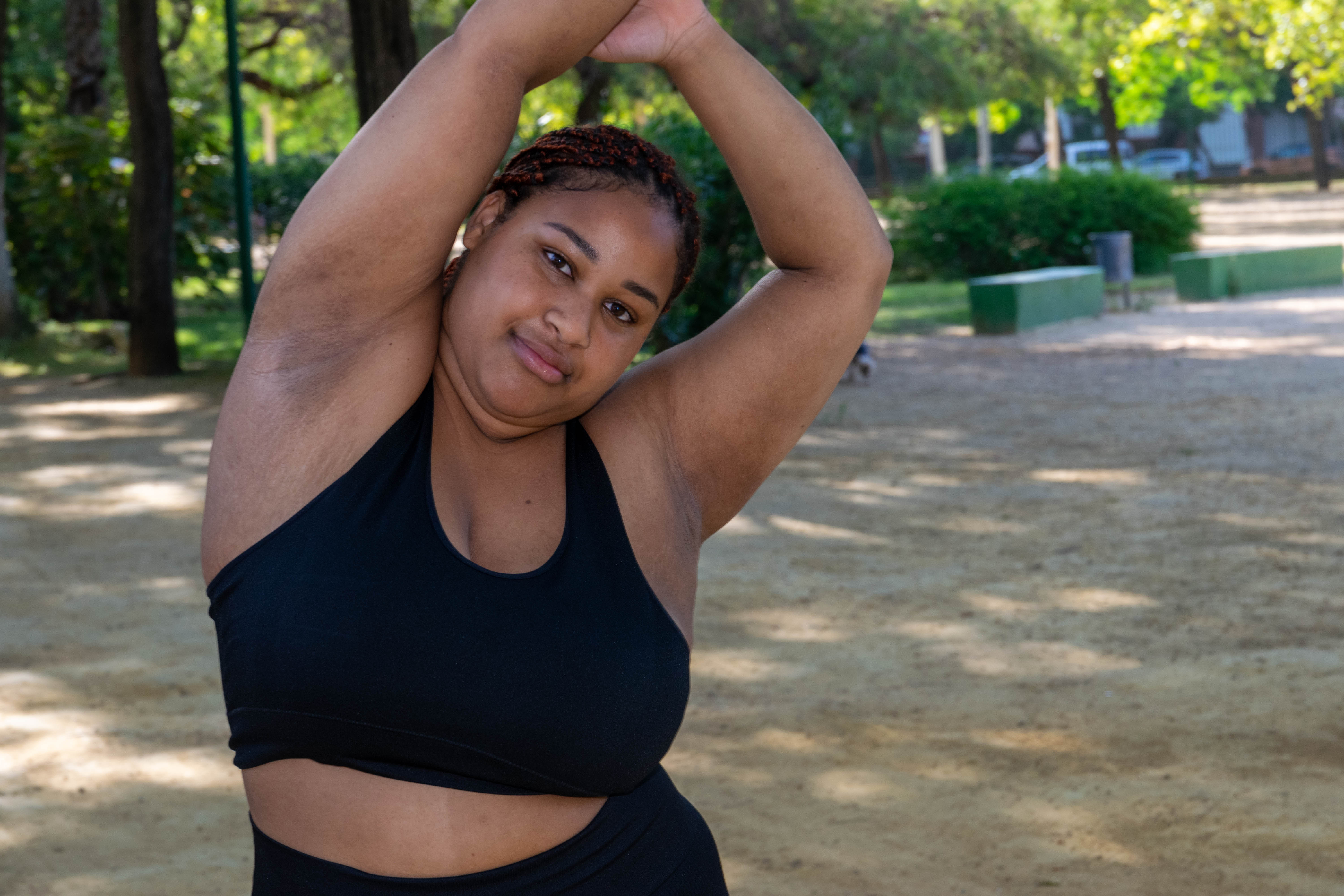
But here’s the truth: weight loss and fitness are not synonymous. A client can lose weight through restrictive dieting and still lack strength, endurance, or cardiovascular health. Conversely, someone can gain muscle, improve stamina, and enhance overall wellbeing without seeing changes on the scales. Fitness is about capability and resilience, not aesthetics.
The Challenge for Trainers
The fitness industry itself has historically leaned into the weight-loss narrative, especially during seasonal peaks like January. Marketing campaigns often promise quick fixes and “beach bodies”, perpetuating the myth that slimness equals health. As trainers, we need to recognise how these messages influence our own approach. Are we prioritising fat loss over functional fitness? Are we celebrating scale victories more than performance milestones?
Re-educating ourselves is the first step. Understanding the science behind body composition, metabolic health, and the psychological impact of weight-centric goals allows us to move beyond outdated norms. This isn’t just about better client outcomes, it’s about professional integrity and shaping a healthier industry standard.
Strategies for Re-Education
-
Shift Your Metrics
Move away from weight as the primary success indicator. Incorporate strength tests, endurance benchmarks, flexibility assessments, and mental wellbeing check-ins. These measures reflect true fitness progress. -
Challenge Your Own Biases
Ask yourself: do you instinctively equate slimness with fitness? If so, explore why. Continuous learning through CPD courses, evidence-based research, and peer discussions can help dismantle these biases. -
Educate Through Language
Words matter. Avoid phrases like “burn fat / calories” or “get lean quick”. Instead, emphasise health, strength, and functionality. Position fitness as a lifelong journey, not a seasonal sprint. -
Promote Non-Scale Victories
Celebrate achievements such as improved posture, better sleep, increased confidence, feeling better or completing a challenging workout. These wins resonate more deeply than a number on a scale.
The ultimate goal is to redefine success for both trainers and clients. Fitness should be about empowerment, capability, and wellbeing not conformity to a cultural ideal. By leading this change, personal trainers can help dismantle harmful stereotypes and create a more inclusive, health-focused industry.
For more on similar topics LTB members can access the weight neutral coaching course.
Non members* can sign up for a 2 week free trial to access this and hundreds of other videos, downloads and courses covering every aspect of becoming the personal trainer you want to be. Sign up here
*New members only