
The Role of Testing Weeks in Personal Training
Testing weeks can be a fantastic tool for tracking progress and keeping clients motivated but they’re not a one-size-fits-all solution. When used thoughtfully, they provide clear benchmarks and celebrate achievements. When forced, they can lead to frustration and disengagement. Here’s how to make testing weeks work for you and your clients.
Know Your Clients and Set Expectations
Not every client enjoys testing weeks, and trying to impose them on someone who isn’t interested can backfire. Before introducing a testing phase, understand your client’s personality, goals, and preferences. For some, hitting a new personal best is exciting; for others, it feels intimidating or unnecessary. Communicate clearly about what testing involves and why you’re doing it. Setting expectations early helps avoid surprises and ensures the process feels positive rather than pressured.
Focus on One Key Lift
Testing weeks work best when they have a clear purpose. Rather than trying to test everything at once it can be a good idea to choose one lift or movement to focus on. This allows you to focus your programming and ensure improvement before testing. If you have multiple areas you test then you run the risk of something not improving and then the client focuses on what hasn’t worked rather than the successes.
Be Flexible with Timing
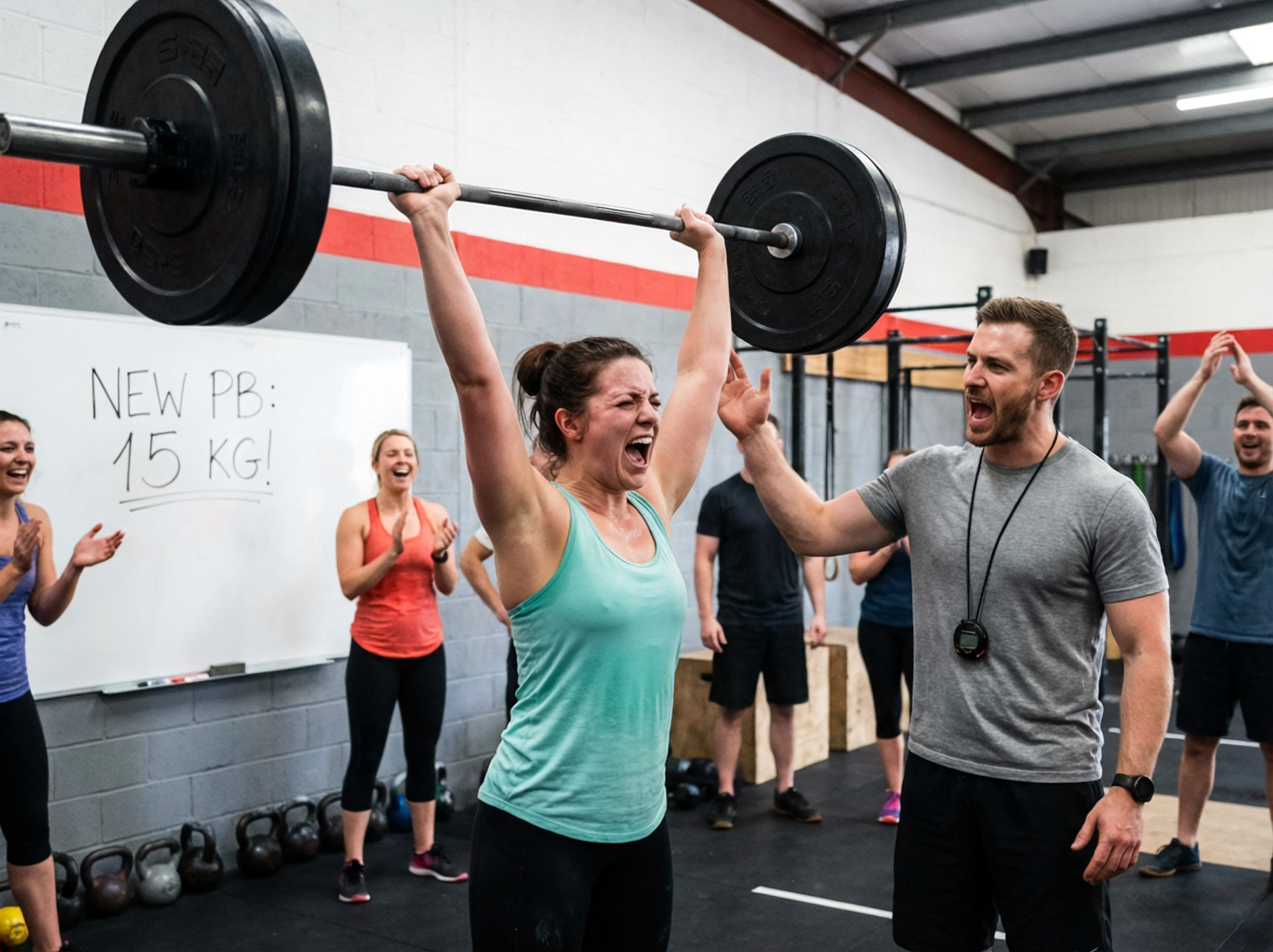
Progress isn’t always linear, and sticking rigidly to a schedule can set everyone up for disappointment. If you know a client hasn’t improved since the last cycle, pushing the testing week back by a week or two can make all the difference. The goal is for clients to see progress over time, not to tick boxes on a calendar. Adjusting the timeline shows you’re focused on results, not just routine.
Group Sessions: Plan Ahead
Testing in a group setting requires extra planning. While you work individually with each client during their test, the rest of the group needs a structured, low-skill programme they can follow independently. This programme should avoid fatiguing the muscles involved in the test. For example, if the test is an overhead press, the group could work through exercises like bodyweight squats, core work, and light cardio in any order they choose. This keeps everyone engaged while you focus on one person at a time.
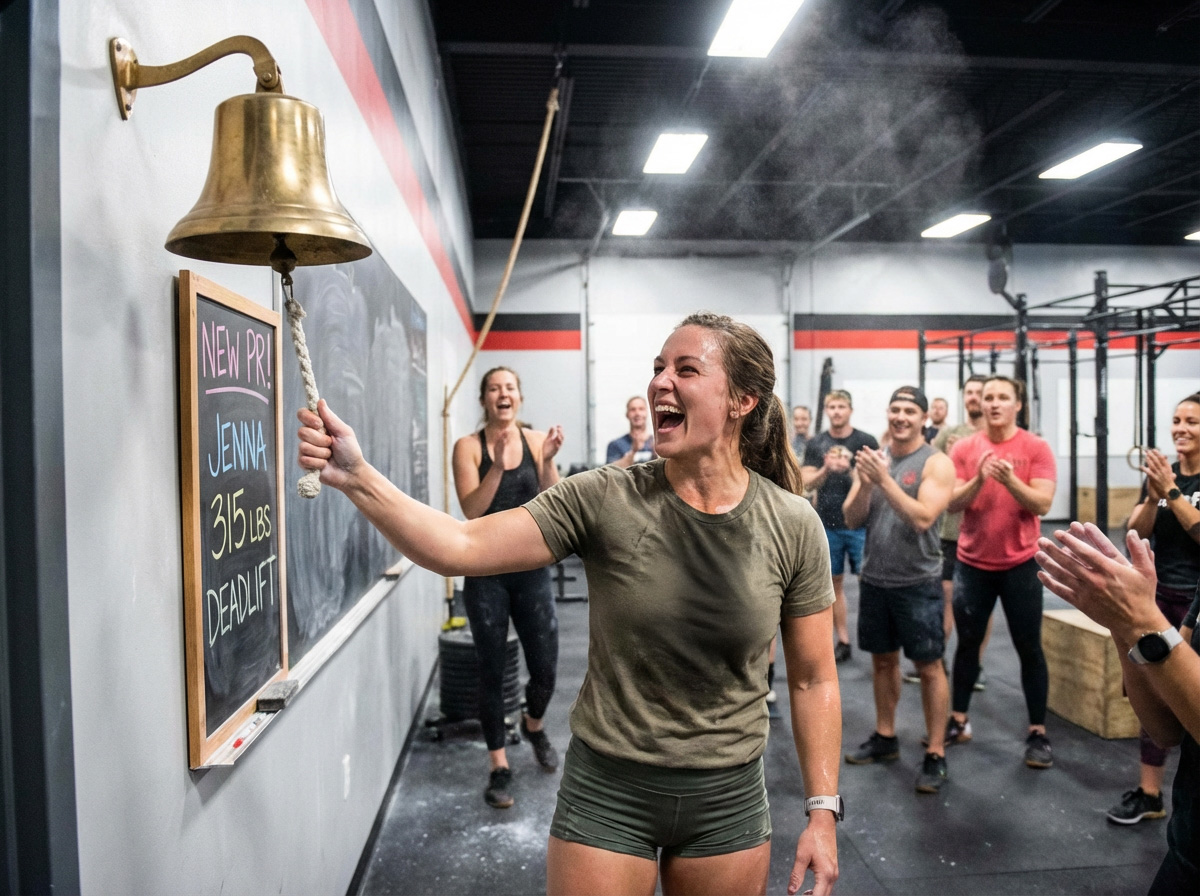
You can see an example of a testing session in the Case Study: Spark Life Movement And Wellbeing CIC resource on the member site. In Maggie’s Strong Woman Club, during an overhead press testing week, the group had a self-guided session with simple exercises while Maggie rotated through members for their tests. Each person hit a new PB, rang the PB bell, and rejoined the group, a great example of how to make testing weeks fun and inclusive.
Celebrate Success
Testing weeks should feel like a celebration, not an exam. Ring a PB bell, share achievements on social media (with permission), or simply acknowledge progress with enthusiasm. These moments build confidence and reinforce the value of consistent training.
Prep for Future Goals
While focusing on the current lift, you can start laying the groundwork for future testing by incorporating accessory movements into sessions. For example, if the next focus will be deadlifts, adding hamstring and glute work now can help without interfering with progress on the current lift. (For more on accessory movements check out the course on the site)
Final Thoughts
Testing weeks can be a powerful motivator when used thoughtfully. They require planning, flexibility, and clear communication but the payoff is worth it. By tailoring the approach to your clients, focusing on one lift at a time, and celebrating every success, you’ll turn testing weeks into a highlight of your training programme rather than a source of stress.
Check out a testing week with Maggie at Spark Life Movement And Wellbeing CIC here.
New to LTB? access a free trial (new members only) here.