
GLP-1 Medications And Personal Training: What Every Trainer Needs To Know
The rise of GLP-1 medications such as Ozempic, Mounjaro and Wegovy is changing the landscape of health, weight management and fitness. As more clients begin using these medications, personal trainers are increasingly finding themselves involved in conversations about weight loss injections, appetite suppression and changing training needs.
While trainers should remain within their scope of practice and avoid giving medical advice, understanding how these medications work and how they may affect a client's training experience is becoming an essential part of professional practice.
What Are GLP-1 Medications?
GLP-1 medications were originally developed to help manage type 2 diabetes. They mimic a naturally occurring hormone that helps regulate blood sugar levels and appetite. More recently, higher-dose versions have been prescribed specifically for weight management, with medications such as Ozempic, Mounjaro and Wegovy becoming widely known.
New tablet forms are also emerging, meaning these medications are likely to become even more common. As a result, most personal trainers can expect to work with clients who are either currently taking GLP-1 medications, considering them, or returning to training after using them.
Understanding How Weight Loss Occurs
One of the most important things for trainers to understand is that these medications do not directly cause fat loss through any unique metabolic process. Rather, they work primarily by suppressing appetite, helping individuals consume fewer calories and therefore creating the calorie deficit required for weight loss.
However, this weight loss does not occur exclusively from body fat. Just as with other forms of weight loss, muscle mass and bone mass can also be lost if steps are not taken to protect them. This is where personal trainers can play a valuable role.
The conversation around GLP-1s often focuses heavily on body weight, but from a training perspective, maintaining strength, muscle tissue and bone health may be far more important measures of success.
The Importance of Muscle and Bone Health
Research and practical experience consistently show that when people lose weight, a proportion of that weight may come from lean tissue. Clients using GLP-1 medications are no exception.
Resistance training becomes particularly important because it provides a powerful stimulus for maintaining muscle mass and supporting bone density. For trainers, this presents an opportunity to focus on outcomes that genuinely improve long-term health and quality of life.
Rather than concentrating solely on the number on the scales, conversations can centre around strength gains, physical function, confidence, mobility and independence. These are benefits that continue to matter regardless of a client's weight or medication status.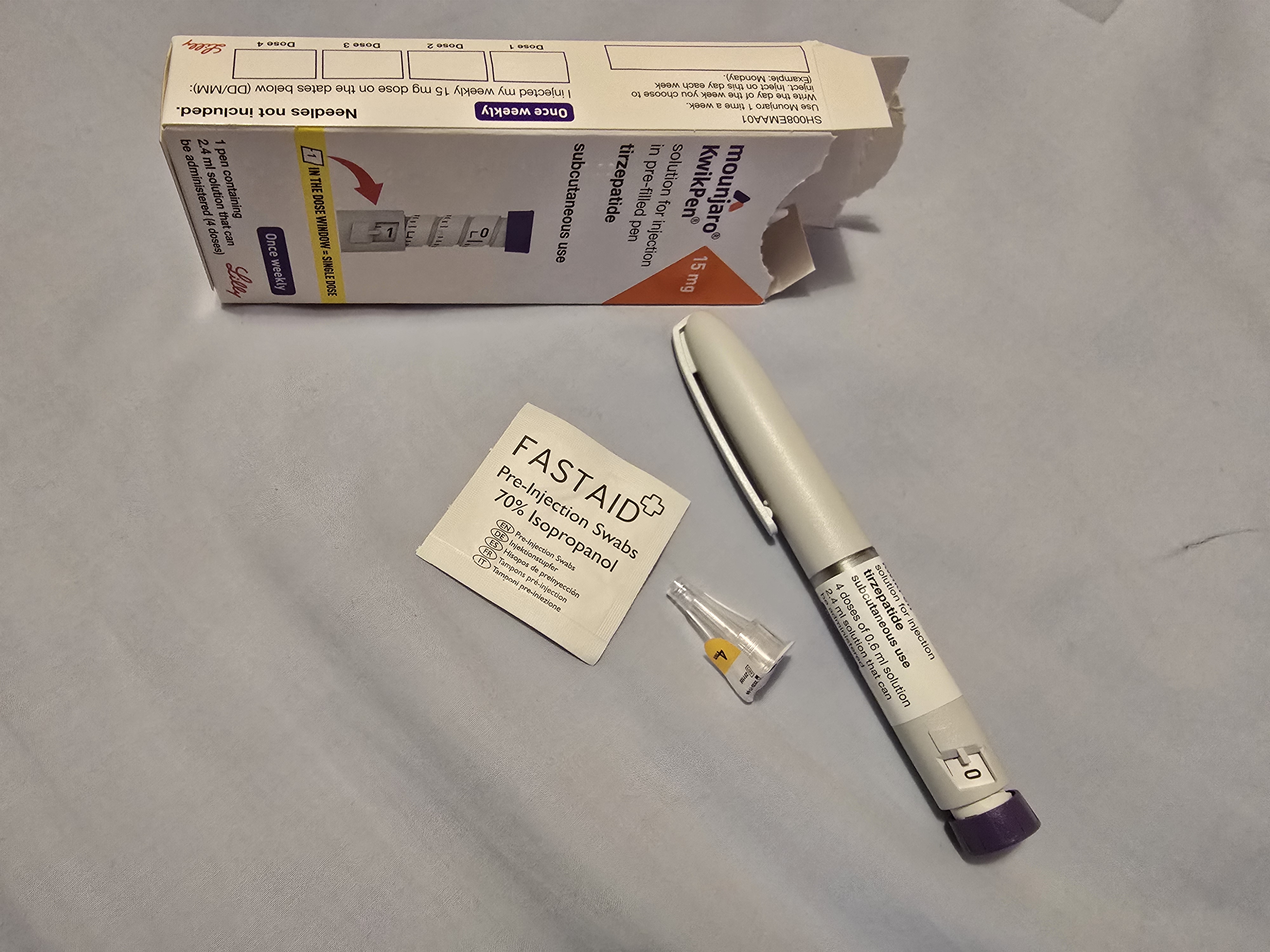
Every Client's Experience Is Different
One of the key themes emerging from discussions around GLP-1 medications is the significant variation in individual responses.
Some clients may experience substantial weight loss and very few side effects. Others may face challenges such as fatigue, gastrointestinal symptoms, reduced training performance or difficulties meeting nutritional needs. Some individuals may find the medications life-changing, while others may struggle with the experience.
Because responses vary so widely, assumptions can be unhelpful. Curiosity and individualised coaching remain essential.
Recognising the Risk of Under-Fuelling
A particular challenge for trainers is identifying potential under-fuelling in clients using appetite-suppressing medications.
Traditionally, feelings of hunger often provide a signal that energy intake may be insufficient. However, when appetite is significantly reduced, these signals can become less reliable. Clients may feel physically full while still not consuming enough energy or nutrients to support training, recovery and general health.
Signs that may indicate under-fuelling include persistent fatigue, reduced performance, poor recovery, difficulty concentrating, low energy levels and increased susceptibility to illness or injury.
Clients may not automatically connect these symptoms with inadequate food intake. This makes it important for trainers to be observant and to encourage clients to seek appropriate nutritional support when required.
Hydration also deserves special attention, as reduced appetite can sometimes coincide with lower fluid intake.
Staying Within Scope of Practice
As GLP-1 use becomes more common, trainers should carefully consider their professional role.
Personal trainers are not qualified to prescribe, recommend or advise clients on whether they should take medication. Those conversations belong with medical professionals.
However, trainers can support clients by helping them build strength, maintain muscle mass, develop sustainable exercise habits and navigate the practical challenges that may arise during training.
There may also be situations where referral to a registered dietitian, nutrition professional, psychologist or medical practitioner is appropriate. Understanding when to collaborate with other experts is an important part of client care.
Challenging Bias and Weight Stigma
The discussion around GLP-1 medications has also highlighted a broader issue within the fitness industry: weight stigma.
Weight management is influenced by a complex combination of genetic, environmental, social, psychological and economic factors. Simplistic narratives around personal responsibility often fail to reflect the reality of people's experiences.
Unfortunately, judgements about weight and weight loss methods can sometimes create barriers that prevent people from feeling welcome in fitness environments. This is especially important for trainers to recognise when discussing GLP-1 medications.
Clients deserve support without judgement, regardless of whether they choose to use medication, pursue weight loss, or focus on entirely different health goals.
Reflecting on our own assumptions and language can help create a more inclusive and supportive coaching environment.
An Opportunity for the Fitness Industry
The growing popularity of GLP-1 medications presents an interesting opportunity for the fitness profession. Rather than seeing these drugs as a threat to the industry, trainers can use this moment to refocus attention on the unique benefits of exercise that medication cannot provide.
Exercise improves strength, function, bone density, cardiovascular fitness, mental wellbeing, mobility and quality of life. These benefits remain valuable whether someone is losing weight, maintaining weight or not interested in weight change at all.
As more people access GLP-1 medications, the industry's role may increasingly shift away from being centred on weight loss and towards helping people become stronger, healthier and more capable. This is great as there are so many amazing benefits to being active.
Final Thoughts
GLP-1 medications are likely to remain a significant part of the health and fitness landscape for years to come. Personal trainers do not need to become medication experts, but they do need to understand the practical implications for client care.
Approaching the subject with curiosity, professionalism and compassion will help trainers support their clients more effectively. By focusing on strength, muscle preservation, bone health and overall wellbeing, fitness professionals can continue to provide immense value, regardless of whether a client chooses to use GLP-1 medication.
Ultimately, the most important role a trainer can play is not judging a client's choices, but helping them build a healthier, stronger and more sustainable future.
For more on similar topics LTB members can access the So Your Client Wants To Know About Ozempic webinar and more (or drop Claire a message if you are looking for help on something else).
Non members* can sign up for a 2 week free trial to access this and hundreds of other videos, downloads and courses covering every aspect of becoming the personal trainer you want to be. Sign up here
*New members only